
Pedestrian and Sidewalk Closure Signs
Signs that close or reroute sidewalks and crosswalks and keep pedestrian access open through a work zone.
When a work zone affects a sidewalk or crosswalk, pedestrians — including people using wheelchairs, walkers, or assistive devices — must still have a safe, accessible route. California pedestrian and sidewalk closure signs close the affected path and direct people to an alternate crossing or the opposite sidewalk.
Showing 1–24 of 54 Signs
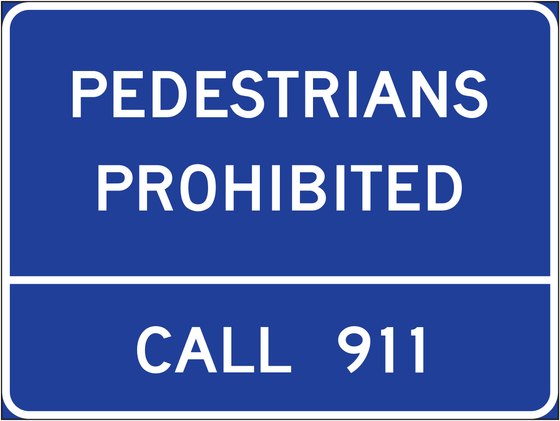
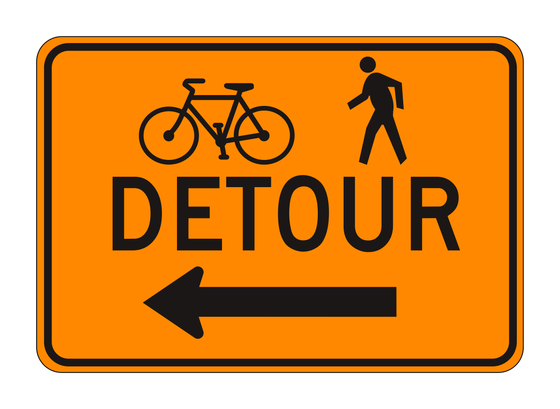
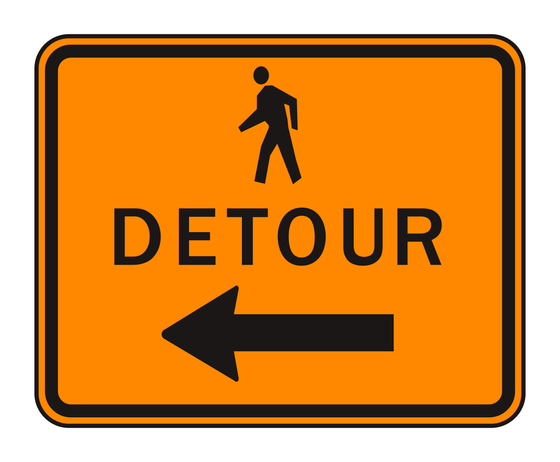
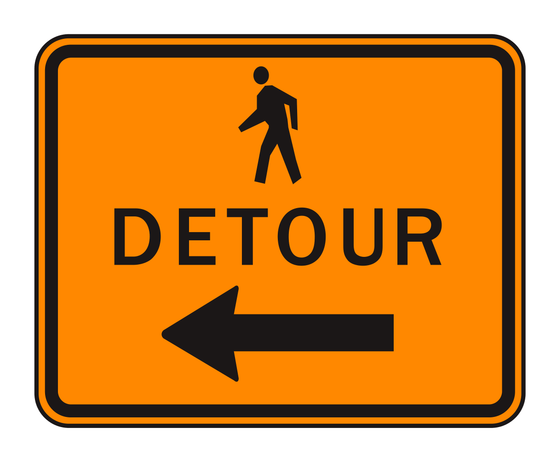
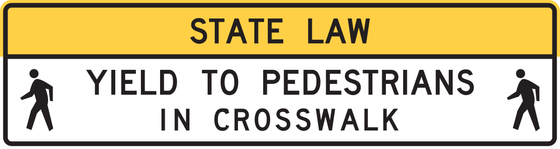
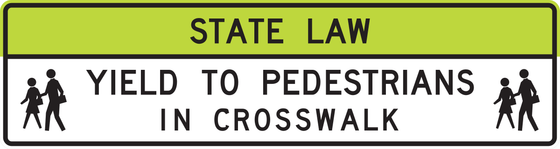
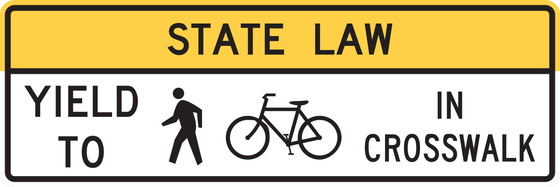


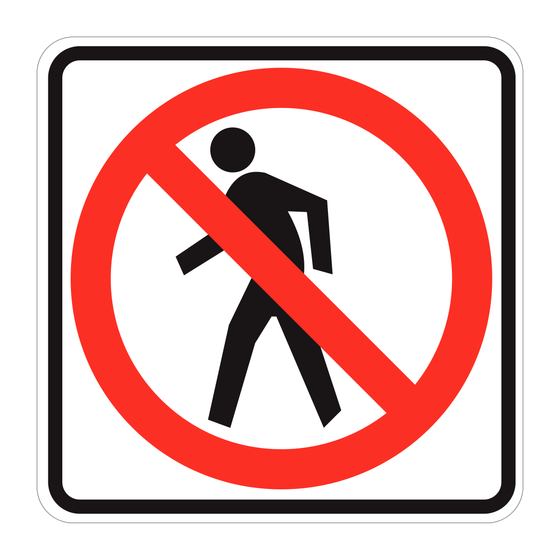
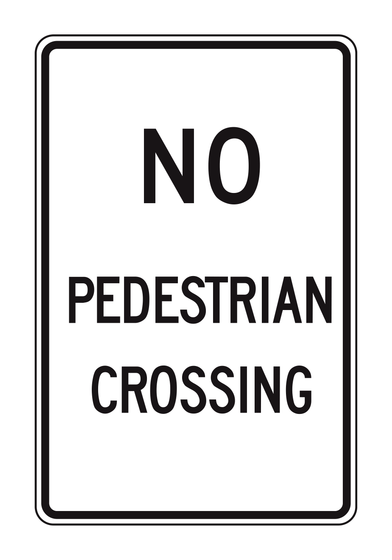



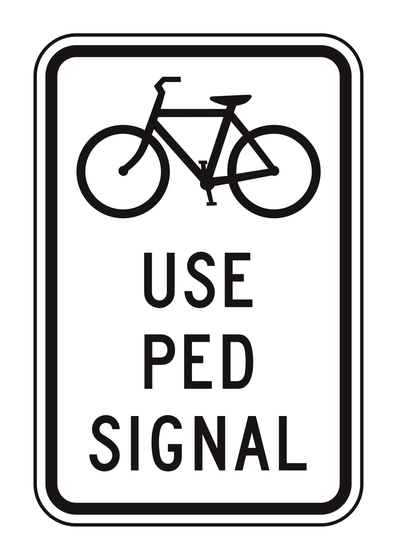
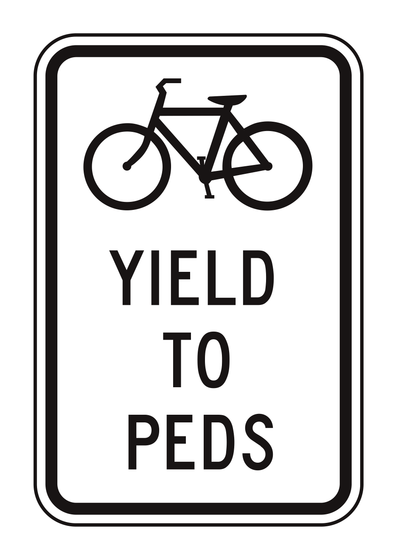
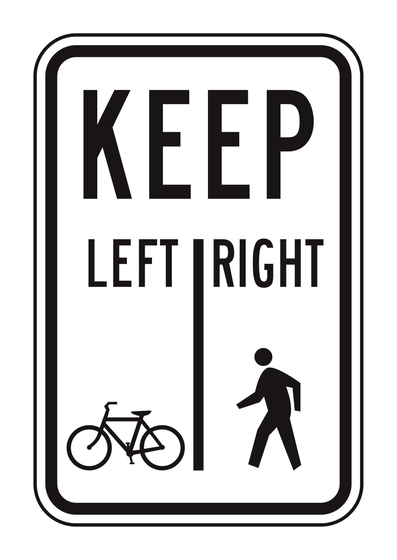
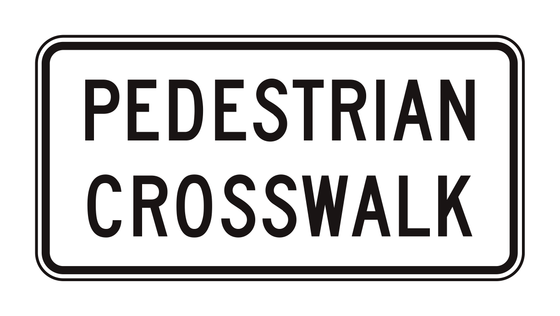
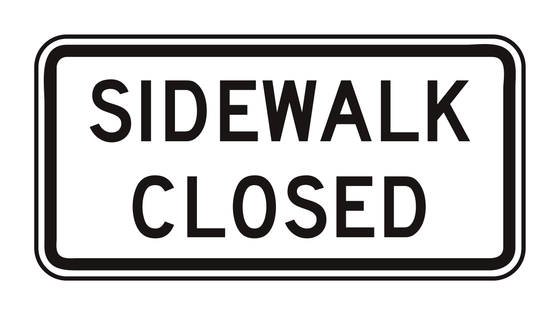
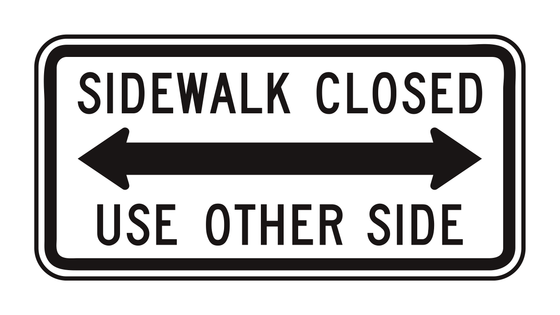
Complete sign index — all 54 signs in Pedestrian and Sidewalk Closure Signs
- G81-67(CA)
- M4-9a
- M4-9b
- M4-9b(CA)
- R1-5a
- R1-5d
- R1-6b
- R1-6d
- R1-9
- R1-9b
- R1-9d
- R9-1
- R9-2
- R9-3
- R9-3a
- R9-3bP
- R9-4
- R9-4a
- R9-5
- R9-6
- R9-7
- R9-8
- R9-9
- R9-10
- R9-11
- R9-11a
- R9-12
- R10-1
- R10-2
- R10-3
- R10-3a
- R10-3b
- R10-3c
- R10-3d
- R10-3e
- R10-3e(CA)
- R10-3f
- R10-3g
- R10-3h
- R10-3i
- R10-3i(CA)
- R10-3j(CA)
- R10-4
- R10-4a
- R10-15
- R10-23
- R10-23a
- R10-25
- R10-32P
- R11-2c
- R15-8
- R49(CA)
- SW24-1(CA)
- SW24-2(CA)
Related Resources
California Notes
View state-specific considerations and adoptions for Pedestrian and Sidewalk Closure Signs.
Explore California NotesWork Zone Compliance
Ensure your signs meet MUTCD and Caltrans requirements.
Visit WorkZoneCompliance.comDownload Guide
Learn about file formats, uses, and best practices for sign downloads.
View Download GuideFrequently Asked Questions
Does a sidewalk closure have to provide an alternate route?
Yes. A closed sidewalk must have a safe, accessible alternate route — typically the opposite sidewalk or a marked pedestrian detour — with crossings provided at each end. ADA-compliant access must be maintained at all times.
What is the difference between R9-11 and R9-11a?
R9-11 (SIDEWALK CLOSED AHEAD CROSS HERE) is placed in advance of the closure to move pedestrians across before they reach it. R9-11a (SIDEWALK CLOSED CROSS HERE) marks the actual crossing point. They are used together.
Who reviews pedestrian access on a TCP in Los Angeles?
For City of LA right-of-way, StreetsLA and the Bureau of Engineering (BOE) review pedestrian access. On state highways, Caltrans District 7 reviews the encroachment permit and TCP. Plans must show an accessible route whenever a sidewalk is closed.
Are pedestrian closure signs orange?
No. The R9-series sidewalk and crosswalk closure signs are regulatory — white background with a black legend. The pedestrian detour marker (M4-9b) uses the orange work-zone background.
Closing a sidewalk on a California project?
Public Ready can supply sidewalk and crosswalk closure signs, pedestrian detour markers, and barricades, and help you show an ADA-compliant pedestrian route on your TCP.