
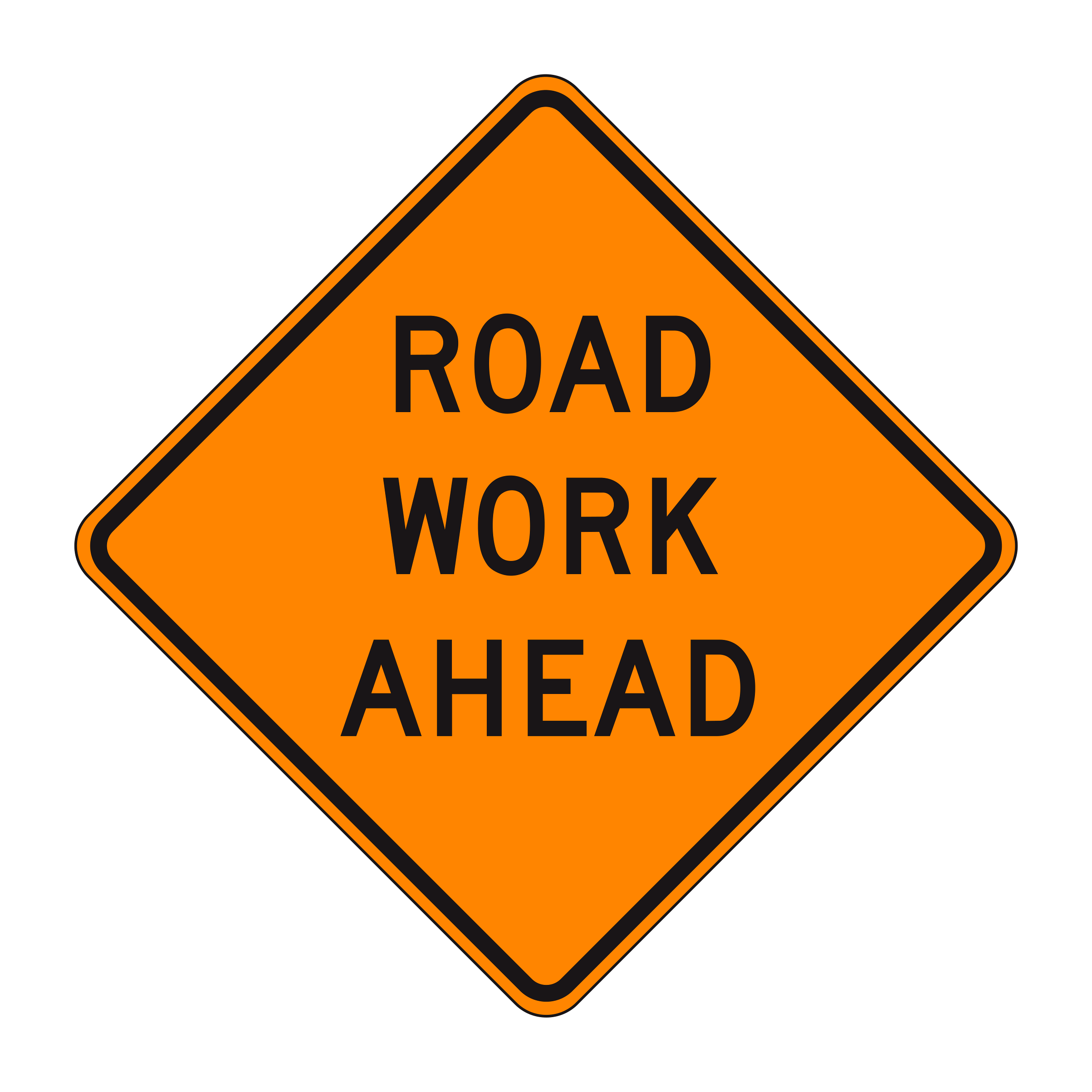
Warning Signs
Warning signs and supplemental plaques for roadway conditions, work zones, and railroad or light rail grade crossings.
Warning signs give road users advance notice of conditions that may not be obvious. Shape, color and operation depend on the exact design: this collection includes orange work-zone signs, yellow railroad-crossing signs, supplemental plaques and activated displays.
Showing 1–24 of 168 Signs
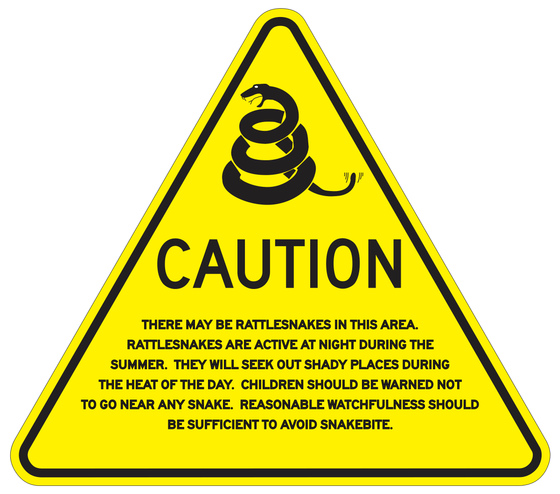
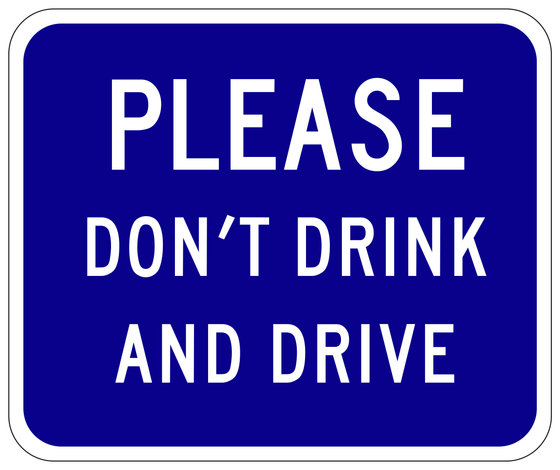
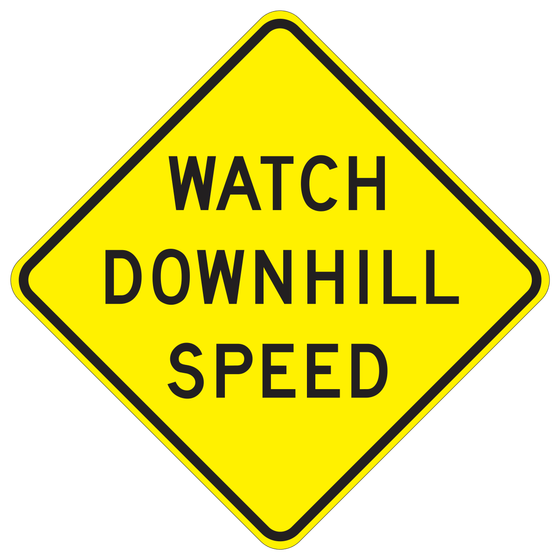
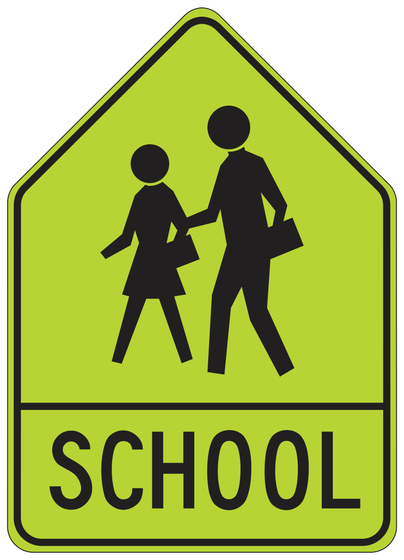
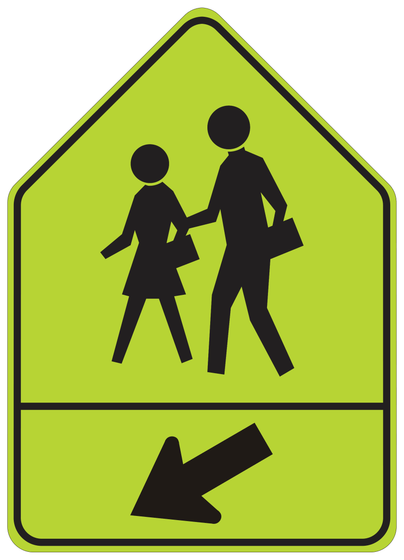
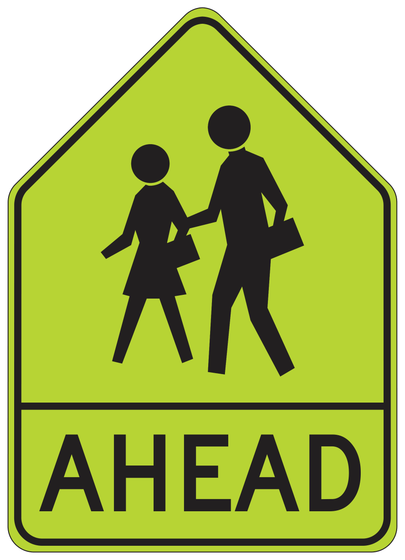
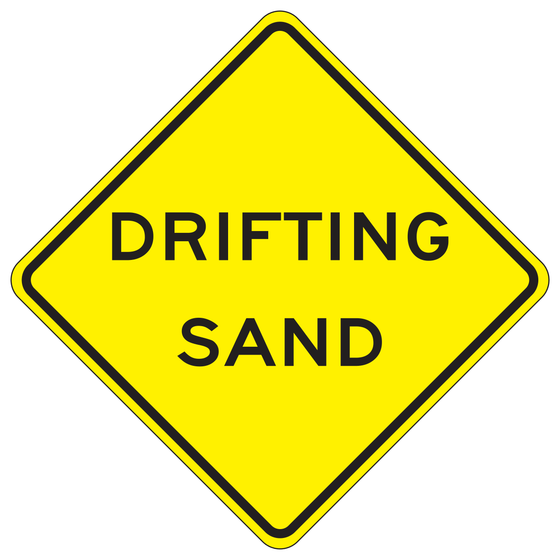
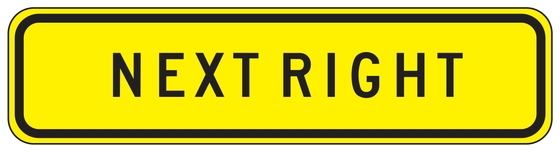
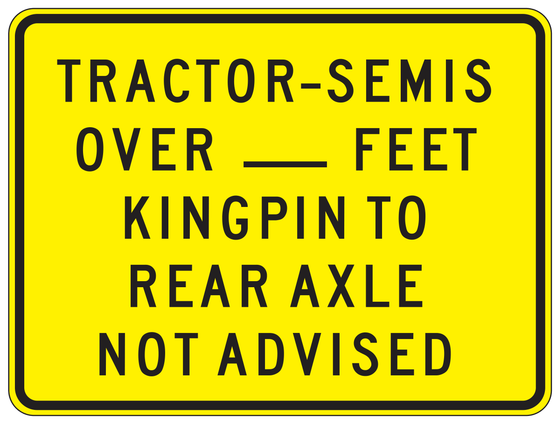
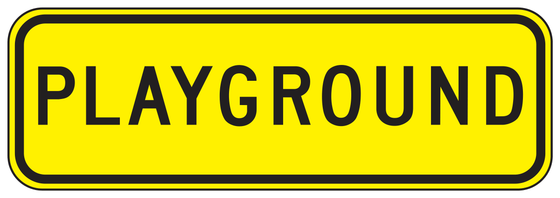
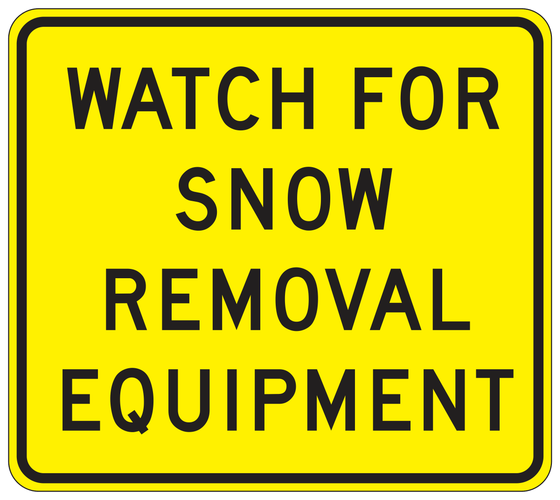









Complete sign index — all 168 signs in Warning Signs
- S26(CA)
- S35(CA)
- SW4-1(CA)
- SW24-1(CA)
- SW24-2(CA)
- SW24-3(CA)
- SW32(CA)
- SW35(CA)
- SW37(CA)
- SW38(CA)
- SW41(CA)
- SW48-1P(CA)
- SW48(CA)
- SW49P(CA)
- SW58(CA)
- W1-1
- W1-2
- W1-3L
- W1-3R
- W1-4
- W1-4b
- W1-4c
- W1-5
- W1-6L
- W1-6R
- W1-7
- W1-8
- W1-10
- W1-10a
- W1-10b
- W1-10c
- W1-10d
- W1-10e
- W1-11
- W1-13
- W1-15
- W2-1
- W2-2
- W2-3
- W2-3a
- W2-4
- W2-5
- W2-6
- W2-7
- W2-8
- W3-1
- W3-2
- W3-3
- W3-4
- W3-5
- W3-5a
- W3-5b
- W3-5c
- W3-6
- W3-7
- W3-8
- W3-9
- W4-1
- W4-2L
- W4-2R
- W5-1
- W5-2
- W5-3
- W5-4
- W6-1
- W6-2
- W6-3
- W6-4
- W7-1
- W8-1
- W8-2
- W8-3
- W8-5
- W8-24
- W9-1
- W9-2a
- W9-3
- W9-5a
- W10-1
- W10-1aP
- W10-2
- W10-3
- W10-4
- W10-5
- W10-5P
- W10-7
- W10-8
- W10-9
- W10-9P
- W10-11
- W10-11a
- W10-11b
- W10-12
- W10-13P
- W10-14aP
- W10-14P
- W10-15P
- W10-16
- W11-1
- W11-1(CA)
- W11-2
- W11-8
- W11-9
- W11-23(CA)
- W12-1
- W13-2
- W17-1
- W20-1
- W20-1(CA)
- W20-1b
- W20-2
- W20-2a
- W20-3
- W20-3a
- W20-4
- W20-5a
- W20-5b
- W20-5L
- W20-5R
- W20-7
- W20-7(CA)
- W20-7a
- W20-8
- W20A(CA)
- W21-1
- W21-1a
- W21-2
- W21-3
- W21-4
- W21-5
- W21-5a
- W21-5b
- W21-6
- W21-7
- W21-8
- W22-1
- W22-3
- W23-1
- W23-2
- W24-1
- W24-1a
- W24-1b
- W26-1
- W30B(CA)
- W30CP(CA)
- W31(CA)
- W34C(CA)
- W38(CA)
- W44AP(CA)
- W46AP(CA)
- W48P(CA)
- W51(CA)
- W55(CA)
- W59-1(CA)
- W70(CA)
- W72B(CA)
- W73(CA)
- W73A(CA)
- W74-1(CA)
- W74(CA)
- W83P(CA)
- W84(CA)
- W85(CA)
- W86(CA)
- W88-2(CA)
- W88-3(CA)
- W89(CA)
- W90(CA)
Related Resources
California Notes
View state-specific considerations and adoptions for Warning Signs.
Explore California NotesWork Zone Compliance
Ensure your signs meet MUTCD and Caltrans requirements.
Visit WorkZoneCompliance.comDownload Guide
Learn about file formats, uses, and best practices for sign downloads.
View Download GuideFrequently Asked Questions
Why are work-zone warning signs orange instead of yellow?
Orange identifies many temporary traffic control warnings. Railroad-crossing signs, supplemental plaques and activated displays have their own designs and application provisions. Verify the exact sign and applicable California MUTCD chapter rather than changing every warning sign to orange.
What size is a ROAD WORK AHEAD sign in California?
There is no single minimum size for all warning signs. Consult the row for the exact sign code and roadway type in CA MUTCD Table 2C-2 or the applicable temporary traffic control table in Chapter 6H. Drawing dimensions alone do not establish the required installation size.
Is the W20-7 Flagger sign a symbol or a word message?
W20-7 is the flagger symbol sign (a flagger figure). A separate word-message version exists, but the symbol sign is the standard advance warning placed ahead of a flagging station, usually with BE PREPARED TO STOP.
Which warning signs are used for a lane closure?
Lane closures commonly use the W20-5 series (LANE CLOSED AHEAD, RIGHT/LEFT LANE CLOSED AHEAD) for the advance warning, with W4-2L / W4-2R (left/right lane-ends symbols) identifying the lane reduction.
Need warning signs for a California work zone?
Public Ready can help you rent or purchase the orange warning signs used in California temporary traffic control and fit them to your TCP.